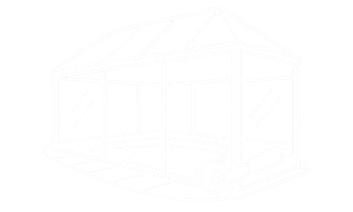

When you live in Bonita Springs, your porch or lanai is as important as any room inside your home. Turning that outdoor space into a screened porch lets you enjoy Gulf breezes without worrying about mosquitoes, no-see-ums, or sudden afternoon showers. Thoughtful design is what separates a basic screened-in area from an outdoor room you truly use every day.
Here are practical screened porch design ideas tailored specifically to Bonita Springs homes and our Southwest Florida climate.
Plan your screened porch around how you actually live
Before thinking about colors or furniture, get clear on how you want to use the space. In Bonita Springs, we commonly see a few usage patterns:
• Morning coffee and quiet reading space. • Family dining area connected to the kitchen. • Entertaining space with TV and outdoor bar. • Transition area between the house and a pool cage.
Your primary use will guide the layout:
• For dining, leave enough clearance for chairs to slide back comfortably and for people to walk around the table without bumping into the screen walls. • For lounging, plan wider zones for sofas, side tables, and footrests rather than a narrow walkway packed with furniture. • For watching TV or sports, think about sun angles and glare so the screen is visible during peak daylight hours.
In Bonita Springs’ climate, you will likely use your screened porch morning and evening most of the year, so orient seating toward your most pleasant views and breezes.
Design for airflow in our humid coastal climate
Airflow is critical in Southwest Florida. A screened porch with poor ventilation can feel stuffy, even in the shade. Smart design choices help your space stay comfortable.
• Use larger screen panels where possible, especially on the sides that face the prevailing breeze. Fewer aluminum uprights mean less obstruction to airflow. • Add operable screen doors at both ends of longer porches. When both are open, you get a natural cross-breeze. • Consider a slightly taller enclosure if your existing roof structure allows it. More height means more room for hot air to rise and escape. • Plan wiring for ceiling fans from the start. In Bonita Springs, an outdoor-rated fan is almost essential for summer evenings.
A professional screening contractor can look at your home’s orientation to the Gulf and inland winds and suggest where to maximize screened openings to capture natural breezes.
Choose the right screen mesh for Bonita Springs bugs and views
Not all screen mesh is the same, and in Bonita Springs, you will want to balance bug protection, durability, and view.
• Standard fiberglass screen works for budget projects, but may not be ideal near canals, preserves, or mangroves where no-see-ums are common. • No-see-um screen has a tighter weave designed to keep out tiny biting insects. It is popular in many Bonita Springs neighborhoods, especially East of US-41 or near water and marshy areas. • Pet- or impact-resistant mesh is a good idea if you have dogs that lean against the screen or if your porch sits near a golf course where balls occasionally land.
Keep in mind that tighter-weave screens reduce airflow and light slightly, so many homeowners choose no-see-um mesh on the lower half and standard or panoramic screen in upper panels to preserve the view.
Coordinate the porch structure with your home’s architecture
A screened porch should look like it belongs to your home, not like an afterthought. When planning a new screened porch installation or enclosure in Bonita Springs, pay attention to:
• Roof tie-in: Matching the pitch and style of your existing roofline helps the porch feel integrated. Sometimes a flat or shed-style screen roof works best; other times a gable extension looks more natural. • Framing color: White aluminum is common in Southwest Florida and pairs well with many stucco and coastal-style homes. Bronze or darker frames can disappear visually and showcase the view. • Column placement: Aligning vertical posts with existing architectural elements—like window edges or patio columns—creates a clean, intentional look.
Because Bonita Springs neighborhoods include everything from Gulf-access homes to golf course villas, a local screening contractor can recommend design proportions that match your specific subdivision or HOA standards.
Plan for shade, sun, and afternoon storms
Our weather should shape your screened porch design from the beginning.
• Western exposures can get intense late-day sun. You may want deeper roof overhangs, solar screen on the west wall, or integrated shades to keep the area usable at sunset. • Southern exposures benefit from steady light and warmth, but may need roll-down shades or sun-filtering screen to prevent furniture fading. • Afternoon storms roll in quickly in the summer. A well-designed screened porch with a solid roof and properly sloped gutters will protect your thresholds, sliding doors, and interior flooring from wind-driven rain.
If your Bonita Springs home backs up to a preserve or open water, ask about screen layouts that block low-angle sun while still preserving your view.
Think through flooring and transitions
Screened porches in our climate see a lot of moisture—from humidity, rain blow-in, and wet feet from the pool or yard. Choose surfaces that handle this well.
• Textured concrete or slip-resistant pavers are safer than glossy tile when floors get damp. • If your existing lanai surface slopes away from the house, your screen installer should respect that slope so water continues to drain properly. • Consider a small raised threshold or drain line at the screen wall where heavy rain tends to accumulate.
The transition between your interior flooring and porch surface also matters. Many Bonita Springs homeowners prefer a minimal height difference and aligned grout lines or plank directions so the indoor-outdoor space feels continuous.
Balance privacy with your best Bonita Springs views
One beauty of living in Bonita Springs is the scenery—lake views, golf courses, preserves, and lush landscaping. Your screened porch should take advantage of that while respecting your privacy.
Options include:
• Taller screen walls with clear spans framing your view side, and more privacy-focused layouts (tighter mesh, decorative elements, or partial solid walls) on the neighbor-facing side. • Strategic landscaping just outside the screen line—clumping bamboo, palms, or hedge plantings—to create a natural privacy screen. • Kick-plates (solid aluminum panels) along the bottom 12–18 inches of the perimeter to block sight lines from ground level, protect against trimmer damage, and help in heavy rain.
Local experience matters here; a contractor who works across Bonita Springs communities knows how to position panels for the best combination of view and privacy.
Don’t forget doors, hardware, and daily usability
Little details influence how enjoyable your screened porch is over time.
• Place screen doors where people naturally move between kitchen, grill, pool, and yard so you are not walking the long way around. • Choose self-closing hinges and quality latches that stand up to salt air; this reduces slamming doors and keeps bugs out. • Add pet doors if your dogs regularly go in and out, instead of letting them scratch at the screen.
In Bonita Springs’ coastal environment, spending a bit more on corrosion-resistant hardware often prevents annoying problems a few years down the road.
Work with a local screening specialist
Because Bonita Springs has specific wind-load requirements, salty air, and intense sun, it is important your screened porch design is engineered for local conditions. A reputable local screen company will:
• Evaluate your home’s exposure, views, and existing structure. • Recommend screen mesh, framing, and door layouts that fit how you live. • Ensure the enclosure meets current codes and integrates cleanly with any existing lanai or pool cage.
With the right design, your screened porch becomes a true extension of your Bonita Springs home—a comfortable, breezy space where you can relax, entertain, and enjoy the outdoors nearly year-round, without the bugs and weather cutting your time short.